Learning and Physical Activity: How Movement Can Help You Remember Information Better
14.05.2026
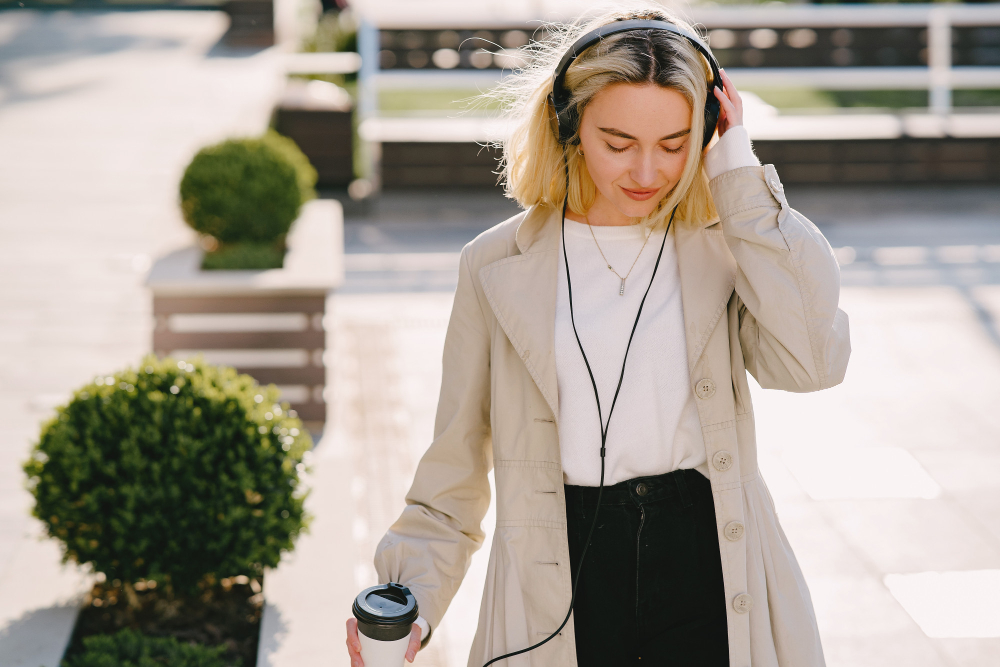
Photo: magnific.com
Today, the amount of information available to us is enormous. New digital tools and solutions, constant communication, and an ever-changing job market mean that learning has become an essential part of everyday life. If we want to “keep up with the times,” we need to regularly acquire new skills, adapt to technological advancements, and seek opportunities to maintain our competitiveness. In this article, discover how to make learning more effective by helping your brain better absorb and retain information.
The Impact of Physical Activity on Brain Function
It is well known that physical activity is essential for maintaining a healthy body and mind. Regular movement benefits physical health, improves overall well-being, and reduces the risk of various health problems in the future.
Research has repeatedly shown that physical activity also plays a significant role in brain function — it can improve concentration, memory, emotional balance, and the ability to learn new information.
Our brains continue working even while we sleep, consuming a large amount of energy. A continuous supply of oxygen and nutrients to the brain is therefore vital. Physical activity improves blood circulation, helping the brain perform its functions more effectively. As a result, cognitive abilities, reaction speed, and information-processing efficiency improve.
A particularly important role in learning and memory is played by BDNF (brain-derived neurotrophic factor), which is responsible for forming new neural connections. The more neural connections we create, the easier it becomes to absorb new information and develop new skills that can be applied in everyday life. Studies show that physical activity increases BDNF levels in the body, positively affecting learning processes and memory over the long term.
Physical activity also has a particularly beneficial effect on the hippocampus, the part of the brain responsible for memory and cognition.
Learning Is Not Effective Without Rest and Movement

It is a misconception that productive learning means spending long hours sitting at a computer or reading books. In reality, the human brain is not designed for prolonged periods of intense concentration without breaks. Many people have experienced the moment when their head feels “overheated,” attention decreases, fatigue increases, and absorbing information becomes difficult.
Even short periods of physical activity can help “reset” attention and improve concentration. For example, a 20- to 30-minute walk, a short run, or stretching exercises may prove more effective than a cup of coffee.
What Do Studies Say?
In recent years, numerous important studies have examined the effects of physical activity on brain function, memory, and information retention. For example, in 2022, the journal Communications Medicine published a review of 36 different studies involving more than 2,700 participants. Researchers concluded that aerobic activities such as walking, running, cycling, or swimming significantly improve episodic memory, which stores personal experiences and specific life events.
Furthermore, even just 5 minutes of physical activity can help people learn, process, and remember newly acquired information more effectively.
Studies have also demonstrated the positive effects of balance and coordination exercises on spatial thinking and memory. This means that not only high-intensity workouts are beneficial, but also activities such as yoga and Pilates.
Physical Activity Is Especially Important in Adulthood
More and more people are choosing to develop themselves in ways that suit their interests and schedules, for example by enrolling in continuing education programs and strengthening their digital skills. At the same time, maintaining long-term focus and concentration during the learning process can become challenging, as stress and fatigue after an intensive workday significantly affect brain function and the ability to absorb information effectively.
Learning for adults can become much more effective when combined with regular movement and quality rest. Physical activity helps to:
- maintain focus;
- reduce stress and anxiety;
- improve sleep quality;
- process information more effectively;
- retain newly learned information for longer periods.
In fact, regular movement may be one of the simplest ways to improve learning outcomes. According to recommendations from the World Health Organization, adults should spend between 150 and 300 minutes per week engaging in moderate-intensity aerobic activities such as brisk walking or Nordic walking.
Practical Tips for Using Movement to Support Learning
Improving learning quality does not require complicated or intensive workout plans. The key is simply moving regularly every day.
Here are some practical tips:
- Stand up and move around every 45–60 minutes to restore blood circulation.
- During study breaks, take a short walk outdoors — movement and a change of environment help reduce mental fatigue.
- Listen to audio materials such as podcasts or lectures while exercising to improve information retention.
- If possible, combine online meetings or lectures with walking.
- After intensive learning sessions, plan light stretching or relaxation exercises to reduce tension and help the brain process information.
- Include regular aerobic activities in your routine, such as walking, Nordic walking, running, or swimming.
Even small lifestyle changes can help increase energy levels, improve well-being, and strengthen concentration.
Technology and Its Impact on Information Processing

The learning process is becoming increasingly digital. Online courses, personalized platforms, and artificial intelligence provide several important advantages, including the ability to adapt learning content to individual needs and goals, while allowing people to acquire new skills in an interactive and engaging way.
However, the rapid development of technology also creates certain challenges. Information overload and constant multitasking reduce the ability to concentrate for long periods and work productively. This means that effective learning depends not only on motivation, personality traits, and the ability to use technological solutions, but also on lifestyle and the frequency of physical activity.
Although learning is often viewed purely as intellectual work, the brain and body are actually closely connected. Physical activity improves well-being while also helping people absorb, process, and remember information more effectively. At BDA, it is possible to choose from more than 250 different training courses available both online and in person. Combine the enjoyable with the useful — include movement in your learning process!
Sources
- Aerobic exercise improves episodic memory in late adulthood: a systematic review and meta-analysis. Communications Medicine, 2022.
- Evidence for improved memory from 5 minutes of immediate, post-encoding exercise among women. Cognitive Research: Principles and Implications, 2017.
- Balance training improves memory and spatial cognition in healthy adults. Scientific Reports, 2017.
Recent Posts